


FROM GYM TO GALA: SPORTSWEAR AND ITS FUTURE
- Nov 10, 2025
- 5 min read
“What’s your favorite sport?”
“That’s a tough one. My daily outfit usually includes my Lululemon tennis skirt, but I’m also obsessed with my thrifted Diesel racer jacket—and I can’t forget my bold Puma sneakerina. So honestly? I think I love them all.”
Sure, the conversation above is fictional — yet it perfectly captures our reality. Sportswear has quietly infiltrated not only our closets but also our collective mindset. No longer a fleeting trend, it has become a cultural code. Its evolution stretches far back, constantly reinventing itself through the decades. This article explores how sportswear developed from function to fashion — from the gym to the gala — and what its future might reveal about modern style.
In this article, I will explore how sportswear developed from function to fashion — from the gym to the gala — and what its future might reveal about the direction of modern style.
A short history of Sportswear
Before it became an aesthetic, sportswear was simply a necessity. Its story begins not on the runway but something seems irrelevant: Industrial Revolution & the rise of Popular Culture.
Back to the middle of the nineteenth century, The First Industrial Revolution had shortened working hours, increased leisure time, and sport became a favorite pastime; while popular culture began a tool to shape how people dressed, eventually creating trends.
Let’s take a look at Suzanne Lenglen, the Serena Williams of the 20s, and her iconic tennis dress designed by Jean Patou: short sleeves, pleated skirts, and white silk that allowed freedom of movement while remaining elegant. Chanel, too, transformed jersey knits from menswear into chic leisurewear for women who were done with corsets.





The Converse Chuck Taylor All Star, first released in 1917, was originally designed for basketball players. By the 1970s, it had been adopted by grunge youth for its affordability, bold style, and comfort, becoming an emblem of subcultural identity. And who could forget the iconic yellow tracksuit from Quentin Tarantino’s Kill Bill (2003)? That look was inspired by Bruce Lee’s 1970s tracksuit — a time when the garment first began to move beyond the athletic arena and into the realm of pop culture.


Basketball and baseball jerseys also made their way from the field to the streets. In the 1980s and 1990s, the rise of hip-hop, which evolved alongside skateboard culture, turned them into the mainstream. Tracksuits and sneakers became the iconic uniform of the underground. And if those garments symbolized rebellion, the polo shirt tells a different story — one that moved from the tennis course into everyday life, which was launched in 1933 as the "Lacoste shirt" worn by tennis player René Lacoste and giving birth to the current polo shirt.

Sportswear today falls into two categories: activewear, focused on performance, and athleisure, blending athletic and casual wear, now dominating the fashion world. Yoga pants, hoodies, and sneakers have become symbols of an effortless, active lifestyle.
You don’t do sports. It’s fine, people don’t really care as long as you have its aesthetics. This is not a criticism but an affirmation that sportswear has really been greatly influenced by the change in the way we work and the explosion of popular culture.
Sportswear Today: From Gym to Street
Putting aside the somewhat ironic statement above, we must affirm that sports are fertile ground for fashion. Proves?
Numbers
Acording to Fortune Business Insights, the global sportswear market size was valued at USD 206.64 billion in 2024. The market is projected to grow from USD 220.34 billion in 2025 to USD 350.45 billion by 2032. Premium sportswear is also growing: forecast to reach USD 174.33 billion by 2030 (Grand View Research). In addition, the sports-inspired clothing market (casual wear that borrows from athletic styles) is also expected to grow, from USD 405.2 billion in 2025 to USD 510.4 billion by 2035 (Future Market Insights).
Numbers say a lot about the potential of sportswear but they are just a few pieces in its fashion industry. Now, let’s take a look at the whole picture.
Sneakers & Street Icons
It would take 200 or more articles to be able to talk about how sportswear made a big splash in the fashion industry. So in this article, we will only review the typical names of recent.
SNEAKERS ARE TAKING OVER THE WORLD. Converse, Vans, Onitsuka Tiger, Puma, Nike, and Adidas are cultural touchstones. Adidas, for example, thrives on retro models like Samba and Gazelle, blending nostalgia with lifestyle marketing. Classic sneakers endure because they’re attached to identity: Nike’s Just Do It, Converse’s streetwise creative culture.


POLO SHIRT - ALL HAIL TO THE KING. Born on colonial Indian polo fields and refined by René Lacoste, the polo shirt evolved from athletic necessity to symbol of elegance. Fred Perry added British cool; Ralph Lauren made it globally aspirational. Its timeless versatility — sporty yet sophisticated — makes it the “king item” of sportswear.


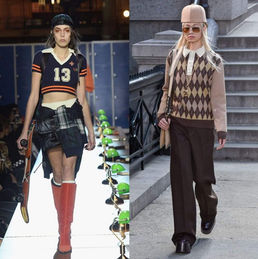


Today, polos are reimagined across streetwear, celebrity style, and luxury runways — cropped on Lisa, vintage on Doechii, revived at Dior, Miu Miu, and Gucci. Pop culture, Formula 1 collaborations, and sports like tennis and pickleball continue to fuel its relevance. Adaptable, timeless, and quietly powerful, the polo bridges sport, style, and culture.
BLOKECORE - OLD BUT GOLD. The name is undeniably catchy, Blokecore simply describes the practice of styling football jerseys and gear as everyday fashion. Still, the connection between football and style is hardly new. A friend once told me she never struggles to find gifts for her boyfriend: “As long as it’s football merchandise, he’s happy until the next season.”





Blokecore shows how sportswear transcends the field. Football apparel has become cultural currency, amplified by marketing campaigns, sponsorships, and brand collaborations with sports giants like Nike, Adidas, Puma, and New Balance. Teams now release full collections — jerseys, polos, hoodies, accessories — inviting fans to express loyalty and creativity.
Blokecore merges streetwear flair with team devotion: vintage sneakers, gold chains, jeans, and jerseys. It celebrates football culture reborn through fashion — showing love for the game while looking cool.
Sport Couture: Where Performance Meets Luxury
When it comes to activewear, luxury fashion houses can’t compete with the technical precision of Nike, Adidas, or Puma, while sportswear brands rarely master the artistry of design. The solution? Collaboration.


The typical names of these collaborations that redefined modern dressing: Yohji Yamamoto’s Y-3 merged Japanese avant-garde with Adidas’s performance codes (which I would love to call it “Sport Avant-garde” and it is deserved 100-page thesis), Sacai x Nike turned hybrid layering into an art form, and Gucci x Adidas elevated street uniforms into statements of retro-luxury. These partnerships show that functionality can be fashion’s ultimate luxury. Did I mention a twist called the sneakerina, a fusion of ballet shoes and sneakers? A shoe that makes absolutely no sense—and all the sense in the world.




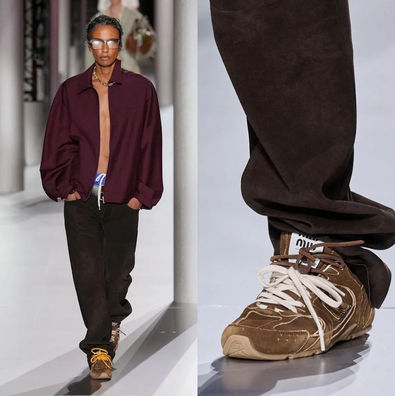


Athletes are now style frontliners: Messi and Ronaldo in Louis Vuitton, Lewis Hamilton at the Met Gala. Their influence extends to the runway — Thom Browne’s Olympic-inspired tailoring and Balenciaga’s F1-coded silhouettes illustrate the crossover between athleticism and spectacle. Sports couture isn’t about performance alone; it’s about performance as an image.


The Future of Sportswear
Sportswear has long outgrown the gym. From sneakers and polos to football jerseys and sport couture, it has become a cultural code — a lifestyle shaped by pop culture. Athleisure isn’t a passing trend. Sportswear will only fade if people stop caring about sports — and even then… if they’re doing yoga at home, who knows?


Comments